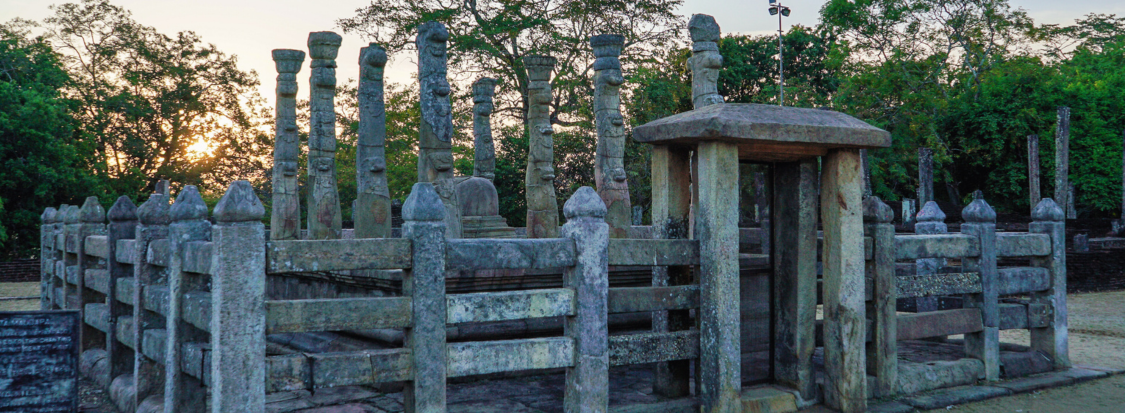
Nestled in Sri Lanka’s North Central Province, Polonnaruwa is a city where history breathes through stone, water, and sacred ground. As the island’s second great capital, Polonnaruwa emerged from a time of conquest and revival, eventually flourishing into a beacon of urban design, agricultural engineering, and spiritual expression. Recognized today as a UNESCO World Heritage Site, the city is a showcase of medieval grandeur, with remarkably preserved ruins, towering stupas, carved stone monuments, and an ingenious network of ancient reservoirs.
Originally a military outpost, Polonnaruwa was transformed under the South Indian Chola dynasty in the 10th century and renamed Jananathamangalam. During their reign, the Cholas constructed impressive Hindu temples most notably the Siva Devale that still stand today as a testament to Dravidian influence. However, the city's golden age arrived under the Sinhalese kings, beginning with King Vijayabahu I, who reclaimed it after a seven month campaign and established it as the island’s capital.
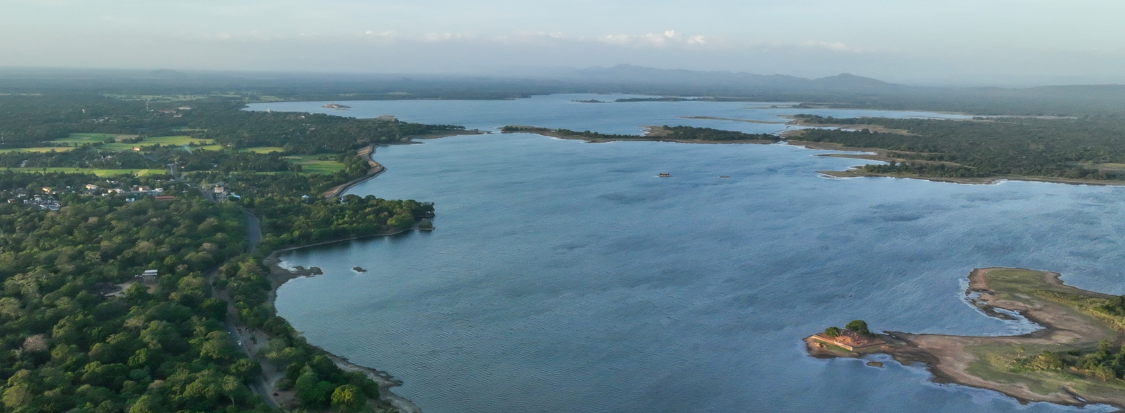
The zenith of Polonnaruwa’s glory came under King Parakramabahu the Great (1153–1186). With a vision of self sufficiency and sustainability, he revolutionized agriculture by constructing vast irrigation systems most famously the Parakrama Samudra, an inland sea that still nourishes the region today. Under his rule, the city became a hub of commerce, Buddhism, and architectural innovation.
Though eventually eclipsed by internal strife and invasions, Polonnaruwa’s ruins remain an awe inspiring symbol of Sri Lanka’s resilience and ingenuity. Travelers today walk through sacred quadrangles, past lotus ponds, royal gardens, and ancient image houses that speak of a time when the city stood as the spiritual and technological heart of an island civilization.
... Read more